
Sport, health, and the environment around the world
In different parts of the world, and for many community-based organizations, sport is used as a tool to support health, strengthen social bonds, and care for the environments in which people live.
This page is informed by a survey conducted with organizations across different territories that work through sport, art, and environmental education with a regenerative approach. Based on their experiences, we offer a global perspective on how movement can connect body, community, and environment while respecting local realities and the needs of each context.
This journey aims to make visible diverse practices that, from the ground up, are opening pathways to regenerate the relationship between people, their health, and the spaces they inhabit.


The Same Starting Point, Different Contexts
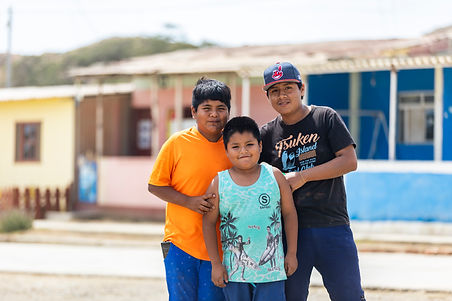
In different territories around the world, community organizations use sport as a tool to respond to vastly different realities. Some work in rural or coastal areas, others in urban neighborhoods; some accompany children and young people, others work with women, vulnerable communities, or mixed groups. Social, cultural, and environmental contexts vary widely.
However, there is a common starting point. In all cases, sport generates encounter, participation, and trust. Its practice allows for the creation of spaces where people gather, share experiences, and build bonds, regardless of language, age, or origin.
Regenerative practices adapt to each territory and local needs, but they are grounded in the same intention: to set the body in motion to strengthen health, social fabric, and the relationship with the environment.
Sport as a Gateway to Wellbeing
In the experiences shared by organizations, health is understood broadly. It is not limited to physical condition but integrates emotional, social, and relational dimensions.
Through movement, safe environments are created that foster trust, self-esteem, and emotional expression. Sporting practices allow for channeling tensions, managing stress, and strengthening skills such as listening, cooperation, and mutual respect. For many people, these spaces also represent a first contact with forms of care and support that are not always present in other areas of their daily lives.


Caring for the Environment Through Practice
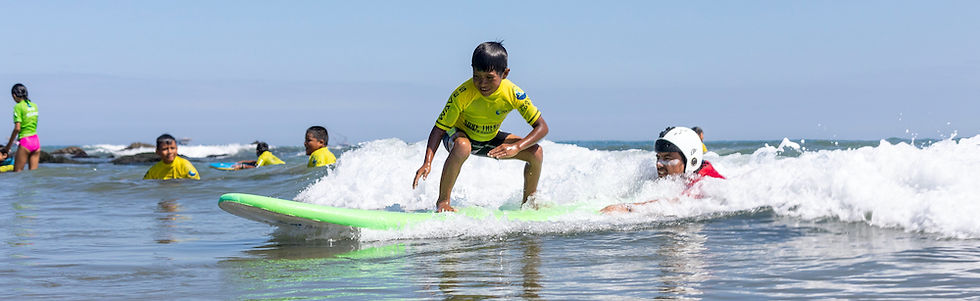
In many of the initiatives observed, sport develops in direct relationship with the natural and social environment: beaches, parks, streets, rivers, or community spaces. This proximity with the territory strengthens awareness of its care and collective value.
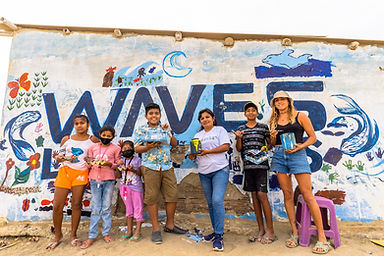
Organizations integrate respect for the environment concretely: through cleaning actions, educational activities, or simply fostering a more attentive and responsible relationship with the spaces they inhabit. Environmental care is part of the daily practice of sport.
From this perspective, caring for the environment is also caring for the community. Sport is a way to reconnect with the territory, strengthen a sense of belonging, and promote practices that contribute to the regeneration of the natural and social spaces where everyday life unfolds.
Local Practices, Shared Learning
The review of different experiences shows that there is no single way to integrate sport, health, and the environment. Each initiative adapts its practices to its context.
At the same time, dialogue between organizations allows for identifying common learning. Despite geographic and cultural differences, many experiences share similar approaches: sport as a space of care, the importance of building relationships of trust, and anchoring in the territory as the basis of community work.
Sharing these practices and relating them to one another opens the possibility of collective learning. It is not about replicating models but about mutually inspiring one another, strengthening local initiatives, and building, from diversity, common paths to regenerate the relationship between people, their health, and the environment they inhabit.


What This Global Journey Teaches Us
This journey through practices developed in different territories reveals a central idea: sport can be a powerful tool for caring for health, strengthening social fabric, and regenerating the relationship with the environment, as long as it is rooted in context and in the people who inhabit it.
Regenerative practices are built from the local level, based on the needs, knowledge, and realities of each community. However, when these experiences are brought into dialogue, shared learning emerges that allows for broadening perspective and enriching practices.
This is the meaning of Regenerative Initiatives: to create a space where these experiences can meet, exchange, and continue evolving. To learn from one another in order to strengthen living processes that contribute, through sport, to a healthier, more conscious, and more balanced relationship between people, their health, and the environment.
Despite the diversity of contexts, disciplines, and realities, the experiences gathered show a common point: sport can be a powerful engine of wellbeing, inclusion, and environmental care when practiced from a conscious and situated intention.
This global journey reminds us that there are no universal solutions. Sharing learning, bringing experiences into dialogue, and learning from one another allows us to strengthen local initiatives and expand their impact.
From this conviction is born Regenerative Initiatives: as a space to connect experiences, learn collectively, and continue exploring how sport can contribute to a healthier, more just, and more balanced relationship between human health, community, and the environment.